Referral Sales Strategy: Complete Guide to Customer-Driven Growth
Paid advertising costs keep climbing while conversion rates stagnate—but there’s a growth channel hiding in plain sight that costs 5-10x less and converts 3-5x better. Your existing customers already talk about products they love; referral sales just adds structure and incentives to turn those conversations into revenue.
This guide covers everything from setting up your first referral program to optimizing rewards, preventing fraud, and building a customer-driven growth engine that compounds over time.
What Is Referral Sales and Why It Beats Paid Ads
Referral sales happen when your existing customers recommend your products to friends, family, or colleagues, and those recommendations lead to new purchases. Unlike paid advertising where you’re reaching strangers who’ve never heard of your brand, referral sales tap into the trust that already exists between your customers and the people they know. This makes a huge difference—referred customers convert at much higher rates because they’re coming to you through someone they trust.
The numbers tell an interesting story. Paid advertising on platforms like Facebook and Google keeps getting more expensive, while referral sales typically cost 5-10x less to acquire. Referred customers also convert at rates 3-5x higher than other channels and tend to stick around longer, spending about 16% more over their lifetime with your brand.
But here’s what makes referral sales really powerful: they create a growth loop that feeds itself. Each happy customer who refers others becomes more invested in your brand’s success. The people they bring in arrive already trusting you, which means they buy faster and stay loyal longer. Unlike paid ads that stop working the moment you stop paying, this word-of-mouth engine keeps building momentum over time.
How Referral, Affiliate, and Influencer Programs Fit Together
Referral programs turn your existing customers into advocates by rewarding them when they bring friends and family to your store. The key here is that these are people who already buy from you and (hopefully) love your products—you’re just adding structure and incentives to encourage what might happen naturally anyway.
Affiliate programs work differently. Instead of customers, you’re recruiting external partners like bloggers, content creators, or complementary businesses who promote your products to their audiences in exchange for commission on sales. These partners might not be customers themselves, but they have audiences that could be interested in what you sell.
Influencer marketing sits somewhere between the two. You’re partnering with people who have significant social followings to create content featuring your products, usually paying them upfront for the content itself rather than purely on performance. Though hybrid models that combine flat fees with commission are becoming more common.
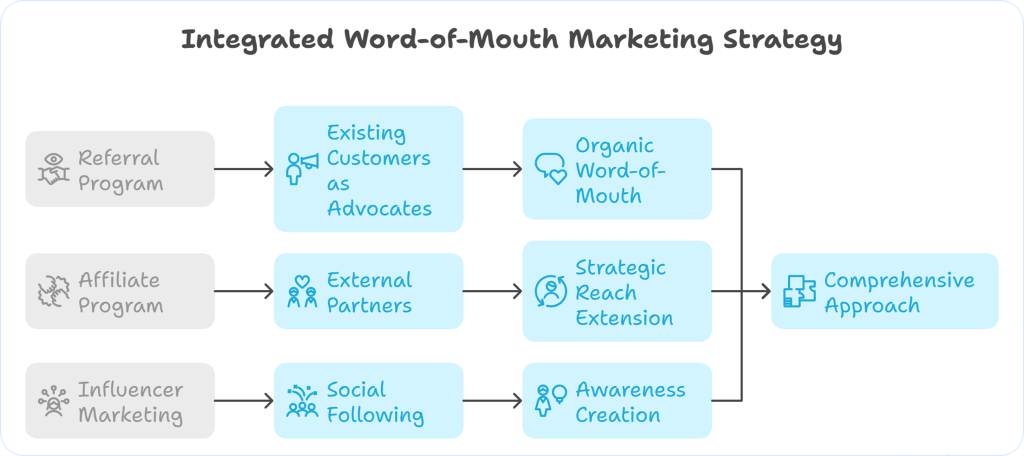
Most successful eCommerce brands run all three at once. Your referral program captures organic word-of-mouth from happy customers, your affiliate program extends your reach through strategic partners, and influencer campaigns create awareness that feeds both channels. Together, they form a comprehensive approach to word-of-mouth marketing that addresses different stages of customer acquisition.
Key Benefits of referral sales for Shopify and DTC Brands
Direct-to-consumer brands see particularly strong results from referral programs because they control the entire customer experience and can easily implement reward systems through their Shopify stores. Here’s what makes referral programs especially valuable for eCommerce:
- Higher conversion rates: Referred customers convert at around 30% compared to 10% for traditional marketing because they arrive with trust already established.
- Lower acquisition costs: Getting a customer through referrals typically costs $10-15 versus $50-100 for paid social ads.
- Increased customer lifetime value: Referred customers spend 13-18% more over their lifetime and stick around longer than customers from other channels.
- Stronger brand loyalty: Customers who participate in referral programs—whether as the referrer or the person being referred—develop deeper connections to your brand.
For Shopify merchants specifically, the technical setup is straightforward. Referral platforms connect directly to your store’s order data, customer records, and discount systems, which means you can launch a sophisticated program in hours rather than weeks of development work.
Step-by-Step Setup to Launch Your Referral Program
Building a referral program doesn’t require complex infrastructure or months of preparation. Most Shopify stores can launch a functional program within a week by following this framework.
Step 1: Identify Your Best Advocates
Start by looking at your customer data to find people who already love your products and have networks likely to be interested. Look for customers with multiple purchases, high average order values, positive reviews, and strong email engagement—these are your ideal first advocates.
You might also look for customers who’ve already referred others organically without any formal program in place. These natural advocates will be most receptive when you invite them to join your structured program.
Step 2: Choose Single or Double-Sided Rewards
Single-sided rewards give incentives only to the referrer (the existing customer). This works well when your products are strong enough that the referred friend doesn’t need extra motivation to try them. It’s simpler to manage and costs less per referral, though it may generate fewer conversions.
Double-sided rewards give benefits to both the referrer and the referred friend. This creates a win-win scenario that typically drives higher participation and conversion rates. While this costs more per successful referral, the increased conversion rate often makes it more cost-effective overall—especially for competitive product categories.
Step 3: Configure Offers in Your Shopify Admin
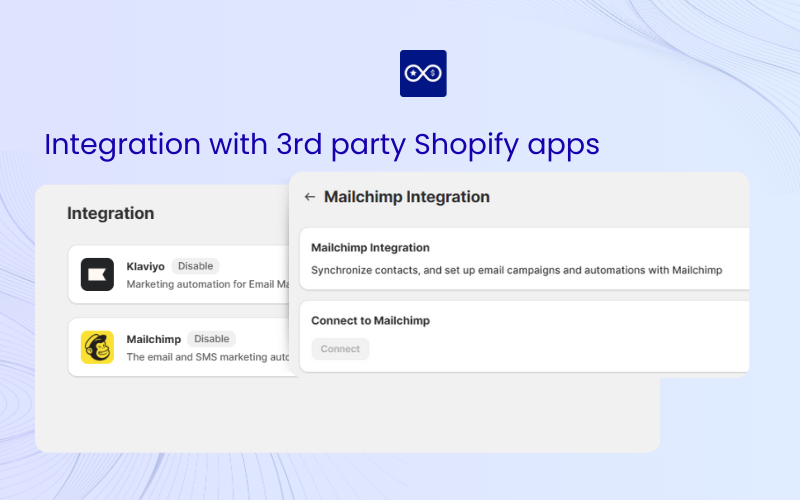
Install a referral app from the Shopify App Store that connects to your store’s discount and order systems. Set your reward values based on your average order value and profit margins—a common starting point is 10-20% off for both parties or $10-25 in store credit depending on your price points.
You’ll also want to configure minimum purchase requirements if needed, set expiration dates to create urgency, and decide whether rewards stack with other promotions. Most merchants find that preventing stacking protects margins while still providing value.
Step 4: Connect Email and SMS Tools
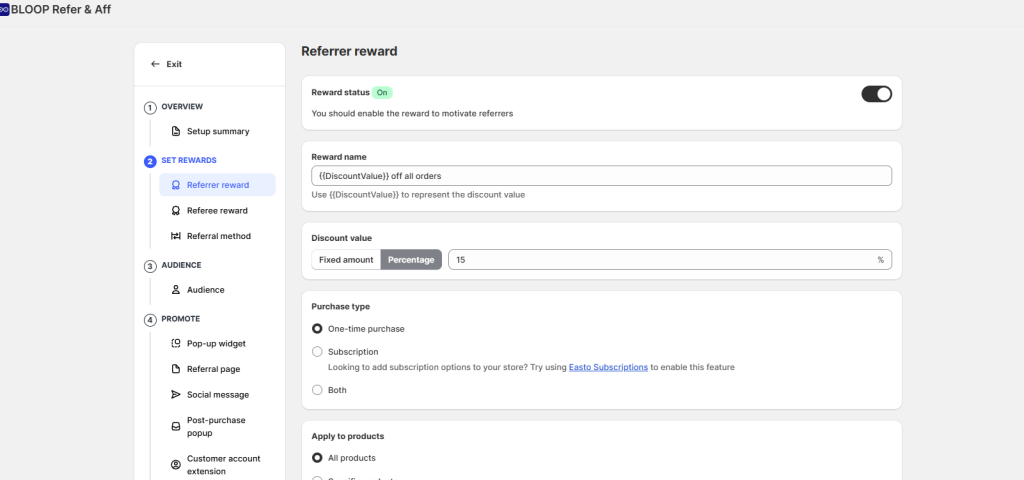
Integrate your referral platform with your email service provider and SMS tools to automate communication flows. Set up triggered emails that share referral links immediately after purchase, remind customers about unused rewards, and notify both parties when referrals convert.
SMS works particularly well for time-sensitive promotions or to re-engage customers who haven’t shared their links yet. The key is making sharing effortless—customers can send their referral link in two clicks or less.
Step 5: Test, Launch, and Announce
Run a soft launch with your top 50-100 customers to identify any technical issues or confusing messaging before rolling out broadly. Collect feedback on the user experience, reward values, and whether the referral process feels natural.
Once refined, announce your program through email, social media, and on-site messaging. Feature it prominently in post-purchase emails and order confirmation pages where customers are most excited about their purchase.
Proven Incentive Models That Generate Referral Sales
The right reward structure can make the difference between a program that drives significant revenue and one that sits unused. Here are the most effective models for eCommerce brands.
Percentage Discount
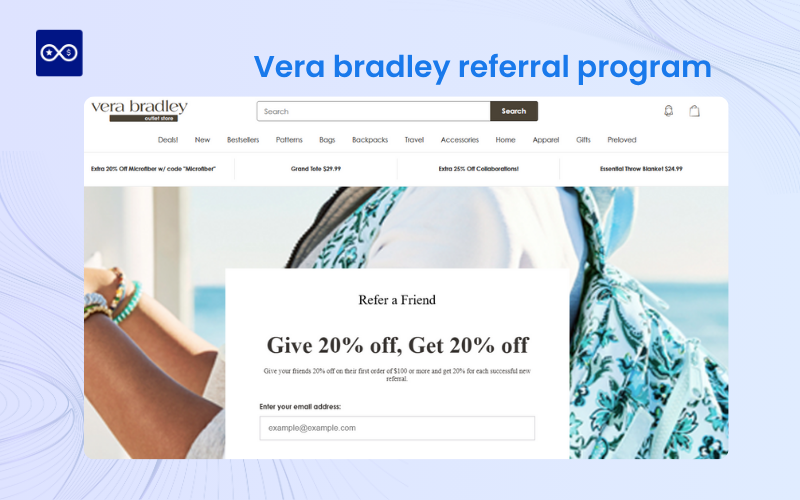
Percentage-based discounts (typically 10-25% off) work well across most product categories because they scale naturally with order value. A customer buying a $50 item and one buying a $500 item both receive value proportional to their purchase.
The messaging is also simple—”Give 20%, Get 20%” is easy to understand and creates clear reciprocity between referrer and friend. Most Shopify stores start here because it’s straightforward to implement and easy to communicate.
Store Credit
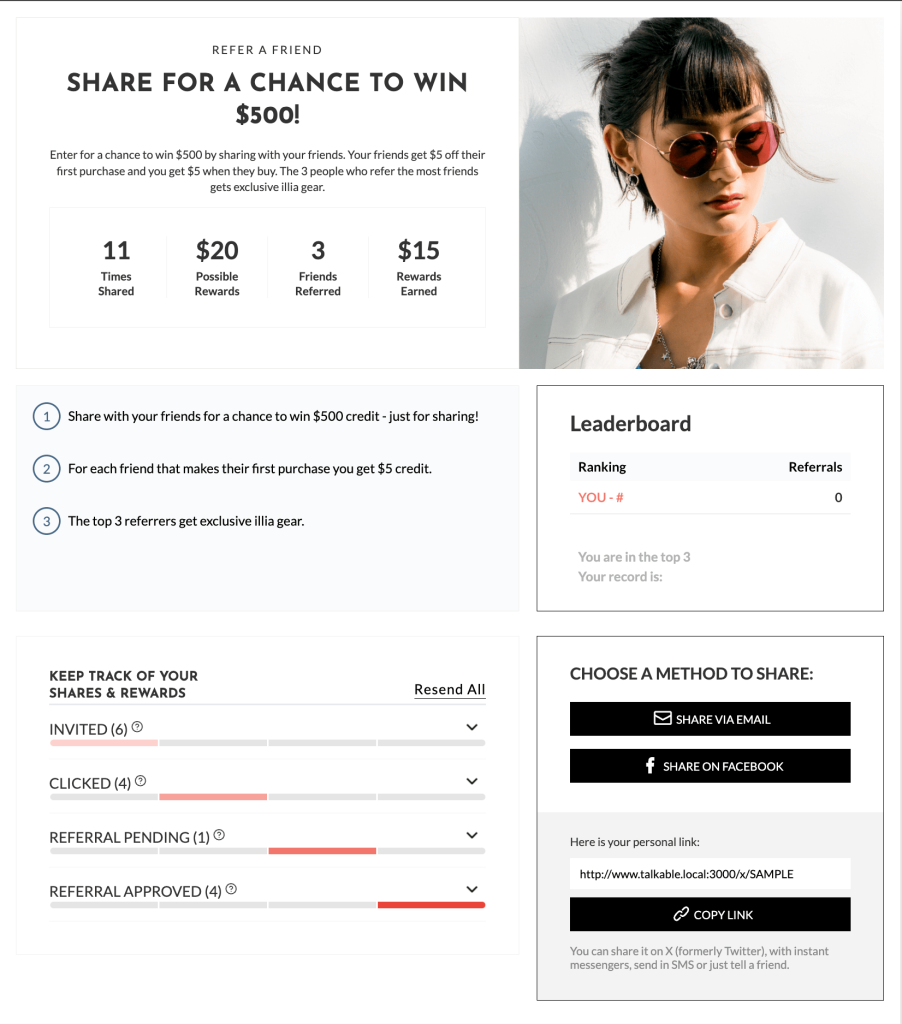
Store credit rewards keep revenue within your ecosystem and encourage repeat purchases from both parties. When customers earn $15 in credit for each successful referral, they’re incentivized to return and spend it, often purchasing more than the credit value.
This model works particularly well for consumable products or brands with broad catalogs where customers regularly return for new purchases. The downside is that store credit feels less tangible than discounts applied at checkout, so you may need to offer slightly higher values.
Cash Payout
Direct cash payments through PayPal, Venmo, or bank transfer work best for high-value products where customers are motivated by substantial rewards ($25-100+). This approach attracts more serious advocates who treat referrals as a side income stream.
The trade-off is administrative complexity and payment processing fees, plus you’re sending money out of your business rather than keeping it as future revenue. Cash payouts work best for products with strong margins and high customer lifetime values.
Tiered VIP Rewards
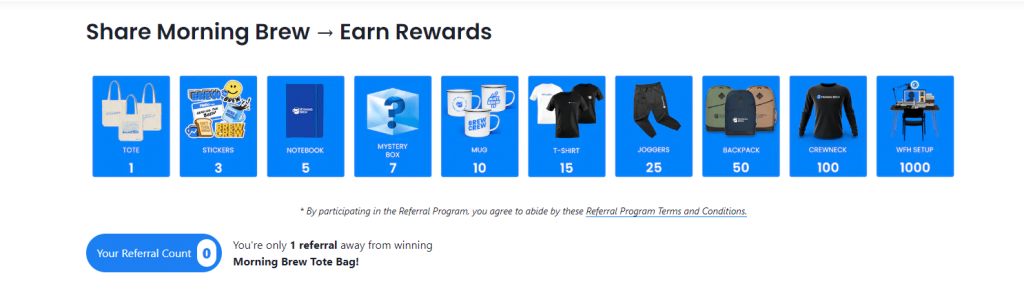
Escalating rewards based on referral volume encourage ongoing participation. For example, the first three referrals might earn $10 each, referrals 4-10 earn $15 each, and referrals beyond 10 earn $20 plus exclusive perks like early product access.
This gamification element taps into competitive psychology and creates a clear path for customers to increase their rewards. You’ll often find that 5-10% of participants generate 60-70% of total referrals once tiered systems are in place.
Cause Donation
Charitable giving as a referral reward aligns particularly well for brands with strong social missions or sustainability commitments. Instead of personal rewards, you donate $5-15 to a cause for each successful referral.
This model attracts customers motivated by values rather than personal gain, though participation rates are typically lower than traditional rewards. Consider offering it as an option alongside standard rewards to capture both motivations.
>> You may also like: What the Data Says: The Most Effective Referral Incentives in 2026
Promotion Tactics to Maximize Your Referral Sales
Even the best-designed referral program won’t generate results if customers don’t know it exists or understand how to participate. Here’s how to drive awareness and engagement.
Post-Purchase Pop-Ups
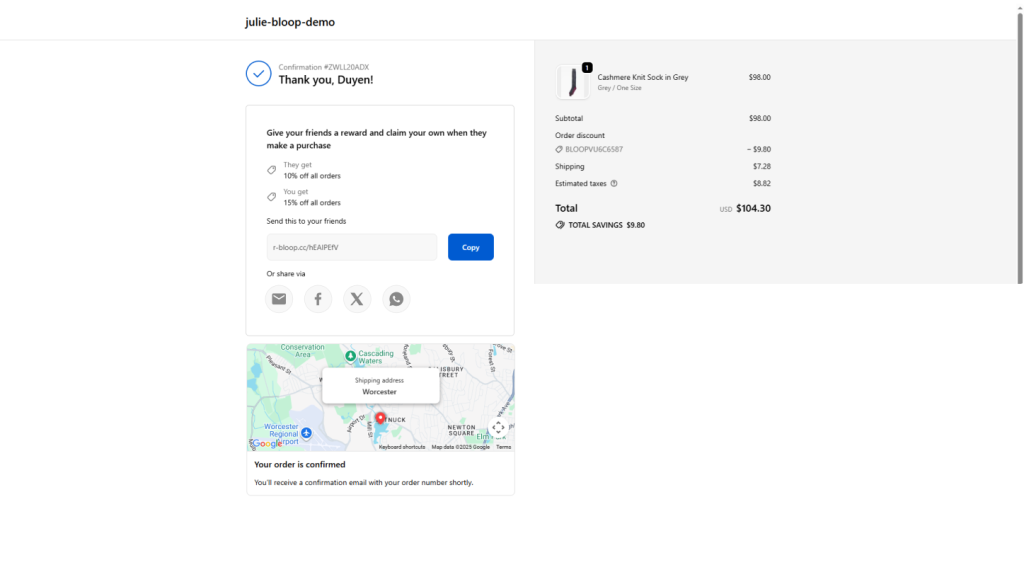
Display referral program information immediately after checkout when customers are most excited about their purchase. A simple pop-up saying “Love what you ordered? Give friends 20% off and earn 20% off your next order” with a one-click share button captures enthusiasm at its peak.
Timing matters here—showing this message before purchase feels pushy, but after the transaction is complete, it feels like a natural extension of a positive experience.
Automated Email Flows
Build a dedicated email sequence that introduces the referral program, explains how it works, and reminds customers about unused rewards. Send the first email 2-3 days after delivery when customers have received their products, followed by periodic reminders to those who haven’t shared yet.
Segment emails based on customer behavior—someone who’s made five purchases deserves different messaging than a first-time buyer.
Social Share Widgets
Add referral widgets to your website footer, account dashboard, and thank-you pages that allow customers to share their links to Facebook, Instagram, Twitter, or via direct message with one click. Pre-populate social posts with compelling copy and product images so customers don’t have to create content from scratch.
Influencer Seeding
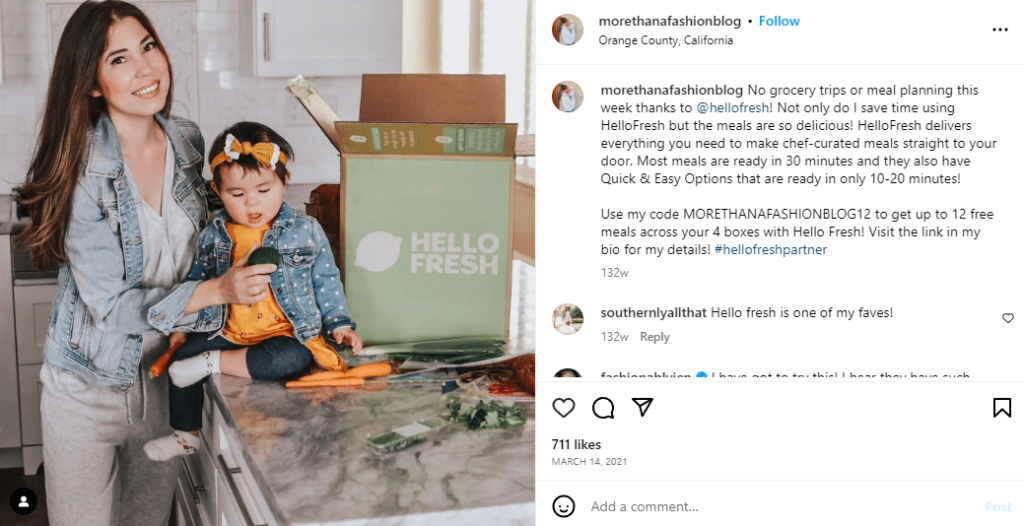
Identify micro-influencers within your existing customer base by looking for people with 1,000-10,000 followers who regularly post about products similar to yours. Reach out personally to invite them to your referral program with special perks like higher commission rates.
These customers already have engaged audiences and authentic enthusiasm for your brand, making them far more effective than traditional influencer partnerships that feel transactional.
Loyalty Program Cross-Promotion
If you run a points-based loyalty program, integrate referral rewards into the same system so customers can earn points for successful referrals alongside purchases. This creates a unified experience where advocacy is just another way to engage with your brand.
The overlap between your most loyal customers and your best referral advocates is typically 70-80%.
>> Explore: How To Promote a Referral Program For Your Shopify Stores? (15+ Free & Paid Tactics That Work)
Essential KPIs and Benchmarks for Referral Programs
Tracking the right metrics helps you optimize your referral program over time and understand its true impact on your business. Here are the core KPIs every Shopify merchant can monitor:
| Metric | Definition | Typical Range |
| Share Rate | % of customers who share their referral link | 5-15% |
| Referral Conversion Rate | % of referred visitors who make a purchase | 10-30% |
| Cost Per Acquisition | Average cost to acquire a customer through referrals | $10-30 |
| Program ROI | Revenue generated vs. rewards paid out | 3:1 to 10:1 |
Share Rate
This measures what percentage of your customers actively share their referral links after being exposed to your program. A 10% share rate means that one in ten customers who see your referral program actually shares it.
Low share rates (under 5%) typically indicate that rewards aren’t compelling enough, the sharing process is too complicated, or customers aren’t seeing the program at the right moments.
Referral Conversion Rate
Once someone clicks a referral link, what percentage actually completes a purchase? This metric reveals how well the referred traffic converts compared to other channels and whether your offer is compelling enough to motivate action.
Referral conversion rates between 15-25% are solid, while anything above 25% suggests you’ve built strong social proof and your products resonate with the audiences your customers are reaching.
Customer Acquisition Cost
Calculate total rewards paid out divided by number of new customers acquired to understand your true cost per referral customer. Factor in both the referrer reward and the referred friend’s discount when calculating this metric.
A $20 referrer reward plus a $20 discount for the friend means each acquisition costs $40 in rewards, though the friend’s discount is offset by their purchase revenue.
Fraud Rate
Monitor what percentage of referrals are fraudulent—typically self-referrals, fake accounts, or abuse of the system. Fraud rates above 5% indicate you need stronger prevention measures like email verification or purchase history requirements.
Most referral platforms include built-in fraud detection, but you’ll still want to spot-check high-volume referrers and watch for patterns like the same shipping address on multiple “referred” orders.
Fraud Prevention, Taxes, and Compliance Basics
Running a referral program comes with operational considerations beyond just marketing tactics. Common fraud patterns include customers creating multiple accounts to refer themselves, friends colluding to game the system by making purchases they’ll return, and organized fraud rings that exploit referral programs at scale.
Prevention starts with basic verification like requiring email confirmation, setting minimum account age requirements, and flagging suspicious patterns like multiple referrals from the same IP address. Simple rules like “no rewards on returned orders” and “referrer must have made at least one purchase” eliminate the most common abuse vectors.
Tax implications vary by country and reward type. In the United States, store credit and discounts typically don’t create tax obligations for recipients, but cash payments over $600 per year require you to issue 1099 forms. Consult with an accountant familiar with eCommerce to understand your specific obligations.
One Dashboard Building Your Business Referral Website With Bloop
Managing referral programs, affiliate partnerships, and customer rewards across multiple platforms creates unnecessary complexity. Shopify merchants who centralize functions in a single dashboard save hours of administrative work each week while gaining clearer visibility into what’s driving growth.
Bloop consolidates referral program management, affiliate tracking, reward distribution, and fraud prevention into one interface that connects directly to your Shopify store. Instead of logging into separate systems to check referral performance and manage affiliate commissions, you see everything in one place with unified reporting.
This matters because referral and affiliate programs don’t exist in isolation—your best customers often become your best affiliates, and your affiliate partners frequently refer other potential partners. When programs share infrastructure and data, you can identify connections and optimize accordingly.
Grow Faster With a Customer-Driven Flywheel
The most powerful aspect of referral sales isn’t any single tactic or metric—it’s the compounding effect that occurs when satisfied customers continuously generate new customers who become advocates themselves. This creates a self-reinforcing growth loop that accelerates over time.
Think of it this way: your first 100 referral program participants might generate 20 new customers in month one. If those 20 new customers become advocates at the same rate, they generate four more customers in month two. Those four generate one more in month three, and so on. The initial effort compounds across multiple generations of customers.
Building this flywheel requires consistent execution across every element covered here—compelling rewards, frictionless sharing, strategic promotion, and ongoing optimization based on data. Ready to turn your customers into your most effective sales channel? Start building your referral program with Bloop’s free plan.
FAQs About Referral Sales
How long does it take to see results from a referral program?
Most Shopify stores see initial referrals within the first month of launching a program, with meaningful revenue impact typically occurring within three months of consistent promotion and optimization. The timeline depends heavily on your existing customer base size, email engagement rates, and how aggressively you promote the program.
Can I combine referral and affiliate rewards in one program?
Yes, many successful eCommerce brands run hybrid programs where customers can earn referral rewards while also partnering with external affiliates through the same platform. This works particularly well when you have customers with larger audiences who want to promote your products more formally beyond just sharing with friends and family.
Do referral programs work for low average order value stores?
Referral programs can be effective for lower AOV products by focusing on percentage-based discounts rather than fixed dollar amounts and emphasizing volume-based tiered rewards that encourage multiple referrals. The key is confirming your margins support the reward structure—if you’re operating on thin margins already, you may need to offer smaller rewards or require minimum purchase amounts to maintain profitability.

Hien Tran
Hien Tran is a Product Marketing specialist at Bloop, where she translates product features into growth-driven solutions for Shopify merchants. By combining market insights with clear messaging, Hien ensures that store owners not only understand Bloop’s value but also know how to apply it to boost revenue, loyalty, and customer acquisition.