15 Best Refer-a-Friend Scheme Ideas for Shopify Stores 2026
Word-of-mouth drives more eCommerce sales than any paid ad campaign, yet most Shopify merchants leave this growth channel completely untapped. A well-designed refer-a-friend program turns your happiest customers into a scalable acquisition engine that costs a fraction of traditional marketing while bringing in buyers who stick around longer.
This guide breaks down 15 proven refer-a-friend schemes you can implement on Shopify right now, from double-sided discounts to tiered rewards and VIP access. You’ll learn which reward structures work best for different business models, how to set up a program without touching code, and what makes customers actually want to share your brand with their networks.
What is a refer-a-friend scheme?
A refer-a-friend scheme is a marketing strategy that rewards existing customers for recommending your Shopify store to people they know. It turns word-of-mouth into a structured growth engine by giving both the referrer and the new customer some kind of incentive—such as discounts, store credit, gift cards, or exclusive perks. Think of it as paying your happy customers to be your marketing team, except it feels natural because they’re genuinely recommending something they already love.
These programs typically work through unique referral links or referral codes that track who referred whom. The system automatically applies rewards when a friend makes their first purchase. The beauty lies in the trust factor—people are more likely to buy when referred by someone they know compared to traditional advertising.
What makes a high-performing refer-a-friend program
The best refer-a-friend schemes for Shopify stores in 2026 combine simple “give-get” rewards with mobile-first sharing and exclusive perks for top referrers. Key elements include tangible rewards like cash or gift cards, tiered incentives that escalate with each successful referral, and mobile-friendly sharing through SMS and QR codes. Integrating the program with loyalty systems, launching to VIP customers first, and running seasonal campaigns can boost participation significantly.
A high-performing program makes sharing feel effortless. One-click links, pre-populated messages, and rewards that excite both the referrer and their friend create momentum. Double-sided offers typically increase participation by 30% since both parties walk away with something valuable.
Transparency matters too. Real-time dashboards showing progress and pending rewards build trust and keep referrers engaged over time. The most successful programs weave referrals naturally into the customer journey—appearing after purchases, in thank-you emails, or through in-app prompts when satisfaction peaks.
Fifteen proven refer-a-friend scheme ideas for Shopify
1. Double-sided discount
Give both the referrer and their friend a percentage or dollar amount off their next purchase. For example, “Give $10, Get $10” creates a clear value proposition that’s easy to understand and share. This approach works especially well for stores with average order values between $50-$150, where the discount feels substantial without eating into margins too heavily.
The symmetry of equal rewards for both parties feels fair and motivates sharing. You can adjust the amounts based on your profit margins, with some stores offering 10-20% off instead of fixed dollar amounts for higher-ticket items.

2. Tiered milestone rewards
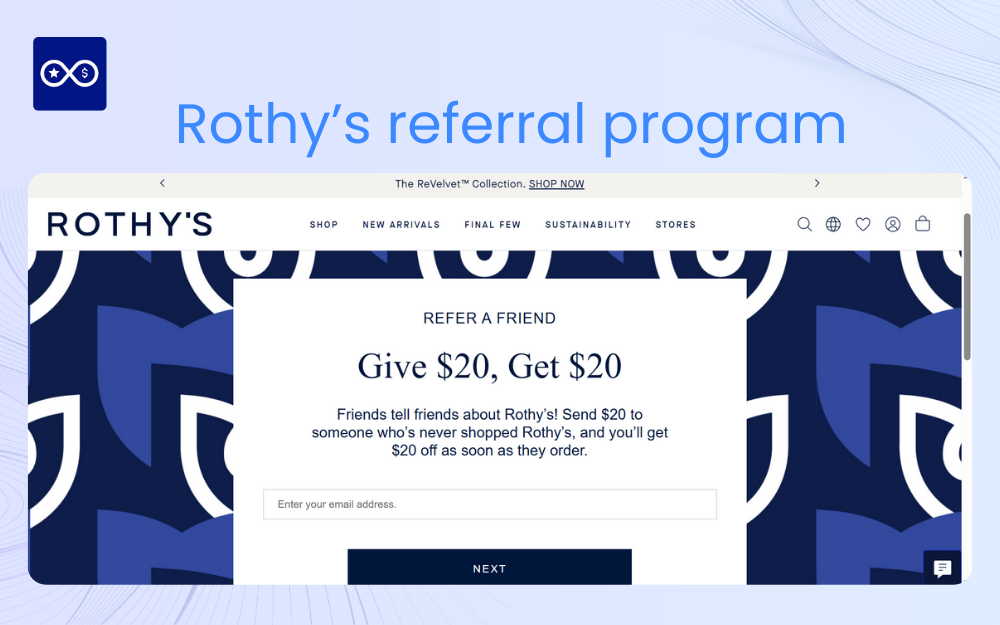
Escalate rewards as customers refer more friends, like $10 for the first referral, $15 for the second, and $25 for the third. This structure encourages continued participation by making each subsequent referral more valuable. Brands like Rothy’s use this approach to keep their most enthusiastic customers engaged long-term.
Once someone makes their first referral, they’re more likely to keep going to unlock the next tier. You might cap it at five referrals or keep it open-ended depending on how much word-of-mouth growth you want to fuel.
3. Gift card credits
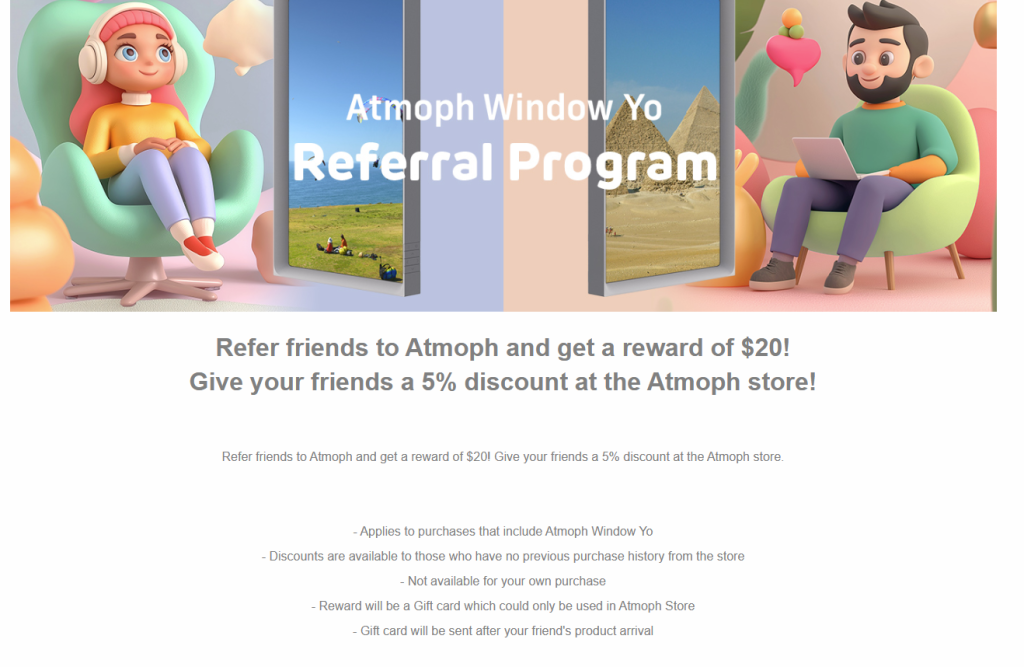
Offer store credit rewards that encourage repeat purchases and increase customer lifetime value more effectively than cash payouts. When customers earn $20 in store credit, they typically spend more than that amount when they return, often adding $30-50 worth of items to their cart. This creates a cycle where referrals drive both new customer acquisition and increased spending from existing customers.
Store credits also feel more generous than discounts. A $20 credit feels like “free money” while a 20% discount feels more transactional. The key is making credits easy to redeem with no expiration dates or complicated terms that create friction.
>> You may also like: 7 Best Gift Card Referral Program Templates You Can Copy 2026
4. VIP early access
Grant successful referrers exclusive access to product launches, limited-edition items, or private sales before the general public. This non-monetary reward appeals strongly to brand loyalists who value being “in the know” and having first dibs on coveted products. Fashion and lifestyle brands find this particularly effective since their most engaged customers often care more about exclusivity than discounts.
You can tier this access based on referral count—three successful referrals might unlock early access to seasonal sales, while five referrals grant lifetime VIP status. The status element creates social currency that motivates sharing in ways pure discounts sometimes can’t match.
5. Subscription bill credits
For subscription-based Shopify stores, offer credits toward monthly bills that reduce churn while driving new customer acquisition simultaneously. A customer who refers three friends might earn a free month of service, creating tangible value that compounds over time. This works beautifully for subscription boxes, membership programs, or any recurring revenue model where retention matters as much as acquisition.
Some brands offer partial credits like $10 off per referral, allowing customers to stack multiple referrals toward a fully free month. The math works in your favor too—if a referred customer has a higher lifetime value than the cost of one free month, you’re coming out ahead.
6. Points multiplier days
Run limited-time campaigns where referral points are doubled or tripled, creating urgency and boosting activity during slower periods. For example, “Triple Points Weekend” might turn a standard 100-point referral reward into 300 points, motivating customers to share right now rather than later. This tactic works especially well when integrated with an existing loyalty program where points have clear, desirable redemption options.
The scarcity principle drives action—customers who might have procrastinated on sharing suddenly feel motivated to act before the window closes. You can tie these to holidays, product launches, or inventory clearance periods to align referral spikes with business goals.
7. Social share contests
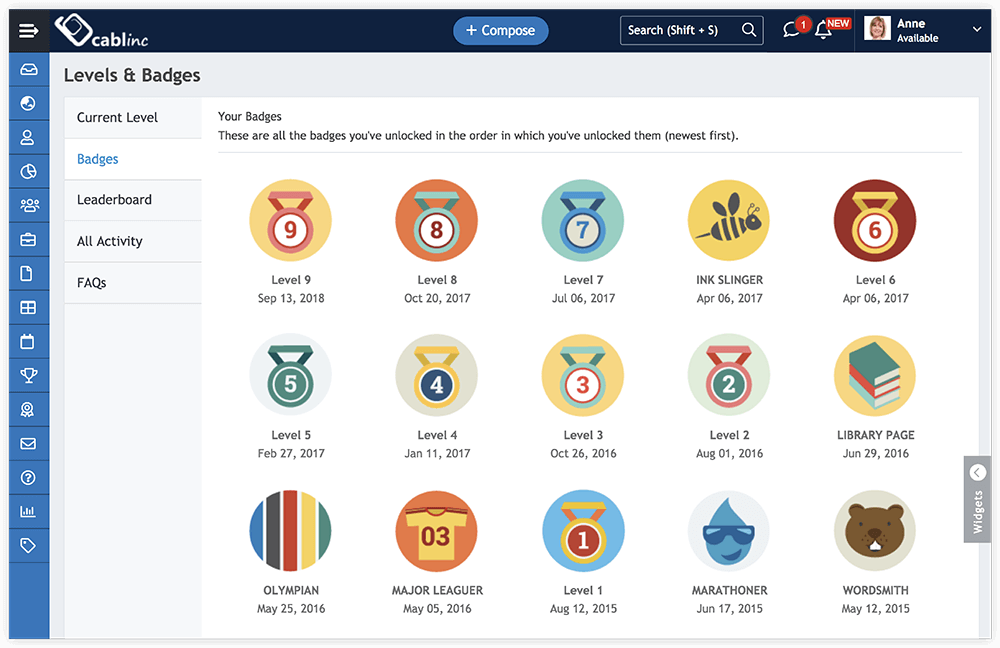
Gamify referrals with leaderboards and prizes for top performers over a set period, like monthly giveaways for the customer who brings in the most new buyers. Public ranking systems tap into competitive instincts, turning referrals into a fun challenge rather than a transactional exchange. Prizes might include high-value product bundles, exclusive merchandise, or experiences that money can’t typically buy.
The social proof element amplifies participation—seeing others actively referring creates urgency that drives more people to join in. You can run these quarterly to maintain freshness and give different customers chances to win.
8. Seasonal limited-time bonus
Boost standard referral rewards during peak shopping seasons like Black Friday, back-to-school, or holiday periods when people are naturally more receptive to recommendations. A typical $10 reward might jump to $25 during November and December, aligning with when friends are actively looking for gift ideas anyway. This capitalizes on existing shopping momentum rather than trying to create demand from scratch.
The temporary nature creates urgency while the seasonal context makes sharing feel helpful rather than salesy. Some stores see referral rates increase 2-3x during these promotional periods compared to baseline months.
9. Charity donation match
For every successful referral, donate a specific amount to a charity chosen by the customer or aligned with your brand values. This appeals to socially conscious shoppers who value impact over personal gain, especially among younger demographics. A structure like “Refer a friend, we’ll donate $5 to ocean conservation” aligns your growth with a greater good.
You can let customers choose from a curated list of partner charities or tie it to your brand’s core mission. An eco-friendly brand might plant trees, while a pet supply store might support animal shelters. The emotional resonance often drives sharing among customers who might not respond to traditional discounts.
10. Product bundle giveaways
Reward referral milestones with curated product bundles that have higher perceived value than their actual cost to you. For example, five successful referrals might unlock a “Favorites Bundle” worth $75 retail that costs you $30 in product costs. The tangible nature of receiving actual products feels more exciting than abstract credits or discounts.
Bundles also introduce referrers to products they might not have tried otherwise, potentially creating new repeat purchase patterns. You can theme these around bestsellers, new launches, or seasonal collections to keep the offerings fresh and desirable.
11. Leaderboard competition
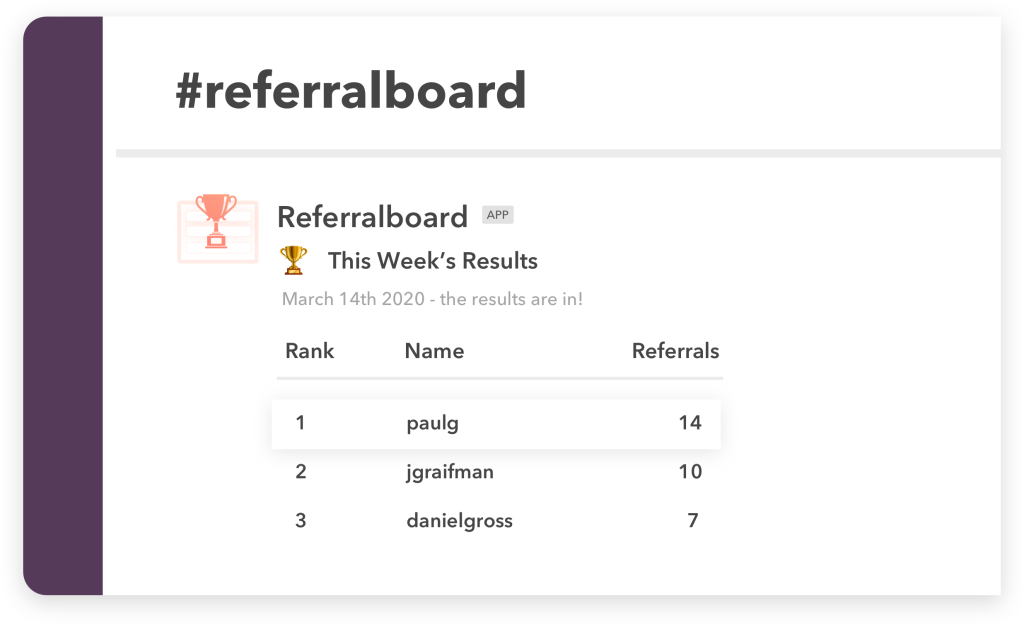
Display a public ranking of top referrers with monthly prizes for the top three or five performers, creating ongoing competitive engagement. The visibility motivates participation beyond individual rewards—some customers genuinely enjoy the recognition and status of being a top advocate. Prizes can range from generous store credits to exclusive merchandise or even brand ambassador opportunities.
The key is making the leaderboard accessible and transparent so participants can track their progress in real-time. Some brands reset monthly to give everyone fresh chances, while others run annual competitions with bigger prizes for sustained effort.
12. Influencer co-branded codes
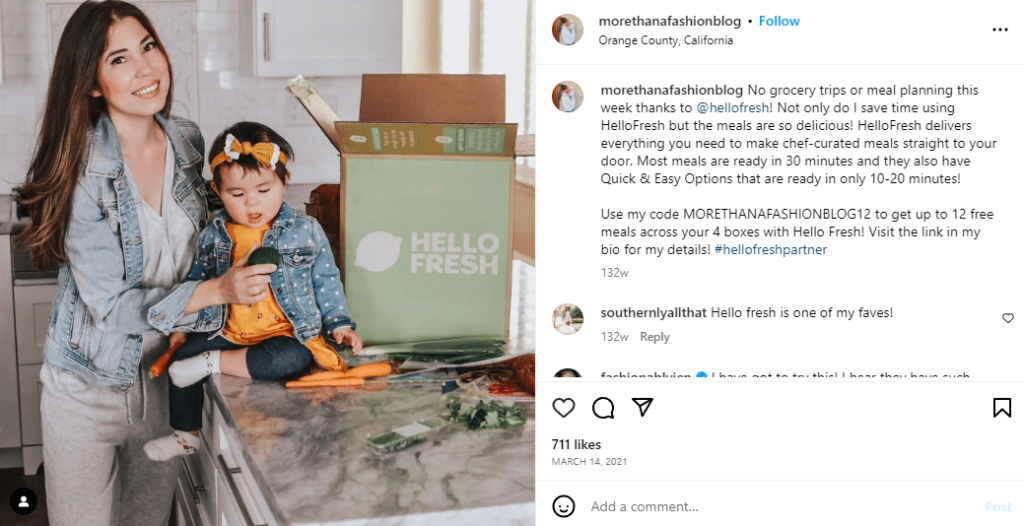
Give customers personalized referral codes that make them feel like brand ambassadors, similar to how influencers operate. A code like “SARAH15” feels more personal and shareable than a generic referral link, creating a sense of ownership and pride. This works especially well for highly engaged customers who already talk about your brand on social media.
The personalization makes tracking easier while giving referrers a mini-brand to promote within their networks. You can even feature top code users in your marketing, creating a pathway from customer to community advocate to potential brand partner.
13. Post-purchase pop-up offers
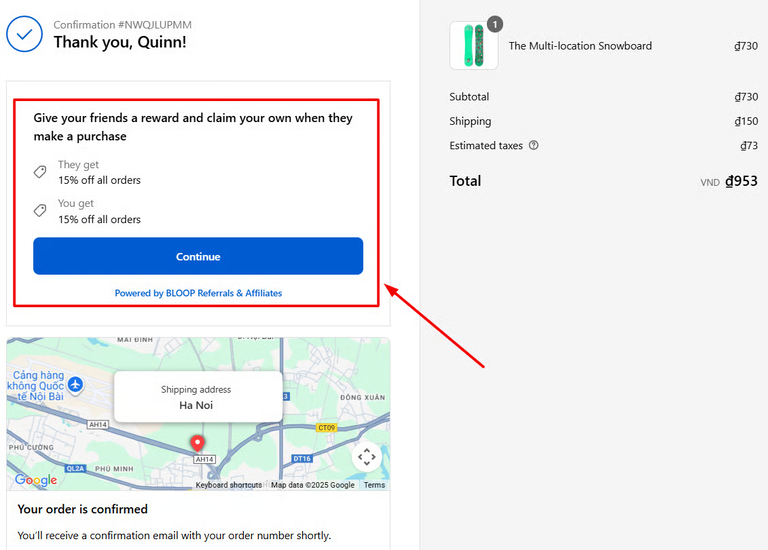
Trigger referral prompts immediately after successful transactions when satisfaction and excitement are at their peak. A well-timed message like “Love your purchase? Share it with friends and earn $20” catches customers in a positive emotional state when they’re most likely to recommend you. This timing capitalizes on the natural desire to share good experiences while they’re fresh.
The key is making the sharing mechanism frictionless—one-click social sharing or pre-populated text messages that require minimal effort. Some stores see conversion rates 3-4x higher on post-purchase referral prompts compared to email campaigns sent days later.
14. Loyalty tier fast-track
Allow successful referrals to count toward loyalty program tier advancement, giving customers a faster path to VIP status. For example, each referral might equal $100 in qualifying purchases toward the next tier, helping customers unlock benefits like free shipping or exclusive discounts sooner. This works brilliantly when you already have a robust loyalty program with meaningful tier differentiation.
The compounding value makes referrals more attractive—customers aren’t just earning a one-time reward but accelerating their journey toward ongoing perks. This approach also increases engagement with your loyalty program overall, creating multiple touchpoints for retention.
15. Store credit cashback
Offer percentage-based rewards that scale with the referred friend’s purchase amount, like earning 10% of their first order as store credit. This structure aligns your costs with actual revenue generated while motivating referrers to share with friends who are likely to make substantial purchases. If someone’s friend spends $200, the referrer earns $20—a variable reward that can be more or less generous depending on the friend’s buying behavior.
The scalability makes this approach particularly attractive for stores with wide price ranges or high average order values. You can cap the maximum reward at a certain dollar amount to control costs while still maintaining the appealing percentage-based structure.
How to pick the right reward structure
Your ideal reward structure depends on three key factors: customer demographics, average order value, and profit margins. A store selling $30 items requires a different approach than one selling $300 products—the former might offer $5 credits while the latter could comfortably offer $50. Start by calculating what percentage of your average order value you can allocate to referral rewards while maintaining healthy margins, typically between 10-20%.
Consider what motivates your specific audience. Younger, budget-conscious shoppers often prefer immediate discounts, while affluent customers might value exclusive access or experiences more than monetary rewards. Test different structures with small segments before rolling out broadly, tracking not just participation rates but also the quality and lifetime value of referred customers.
| Reward Type | Best For | Pros | Cons |
| Cash/Gift Cards | Broad appeal, high AOV stores | Tangible value, flexible use | Higher cost, may attract one-time users |
| Store Credit | Driving repeat purchases | Encourages return visits, lower cost | Less appealing to non-loyal customers |
| Discounts | Price-sensitive audiences | Easy to understand, immediate value | Can train customers to wait for deals |
| Exclusive Access | Brand loyalists, luxury items | Builds community, low cost | Requires desirable exclusive content |
| Tiered Rewards | Engaged customer base | Encourages multiple referrals | More complex to communicate |
The reward amount matters less than the perceived value and ease of earning it. A $10 reward that arrives instantly and requires no minimum purchase often outperforms a $20 reward with complicated terms and delayed delivery.
Step-by-step setup inside Shopify without code
Step 1: Set goals and eligibility
Define what success looks like before launching—whether that’s 100 new customers in the first quarter, a specific revenue target from referrals, or a certain participation rate among existing customers. Clear goals help you choose appropriate reward levels and measure ROI accurately. You’ll also want to decide eligibility rules like whether first-time customers can immediately refer others or if they need to make a purchase first.
Setting referral limits prevents abuse while controlling costs. You might cap rewards at five successful referrals per customer per month or require referred friends to spend a minimum amount before rewards trigger. These guardrails protect your program from exploitation while keeping it generous for genuine advocates.
Step 2: Configure rewards in Bloop
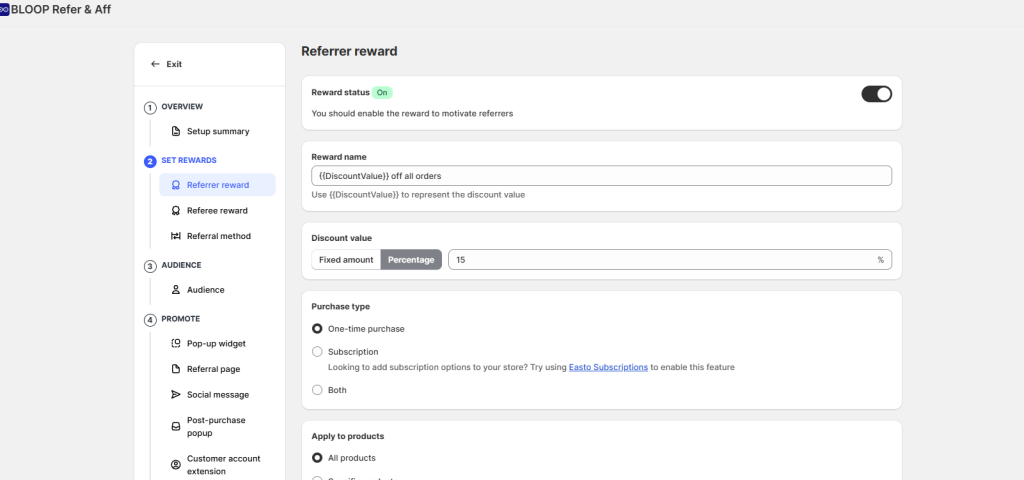
Navigate to the Bloop app in your Shopify admin and select your reward structure from preset templates or customize your own. The dashboard lets you set reward amounts, choose between discounts or store credits, and configure automatic fulfillment so rewards apply at checkout without manual intervention. Built-in fraud prevention flags suspicious patterns like self-referrals or rapid-fire sign-ups from the same IP address.
You can also set up email notifications that keep referrers informed when their friends make purchases and when rewards become available. The automation handles the heavy lifting—tracking referrals, applying rewards, and preventing fraud—so you can focus on promotion rather than program management.
Tip: Start with a simple double-sided discount structure for your first 30 days to gather baseline data, then iterate based on what you learn about your audience’s preferences and behaviors.
Step 3: Design the share widget and CTA
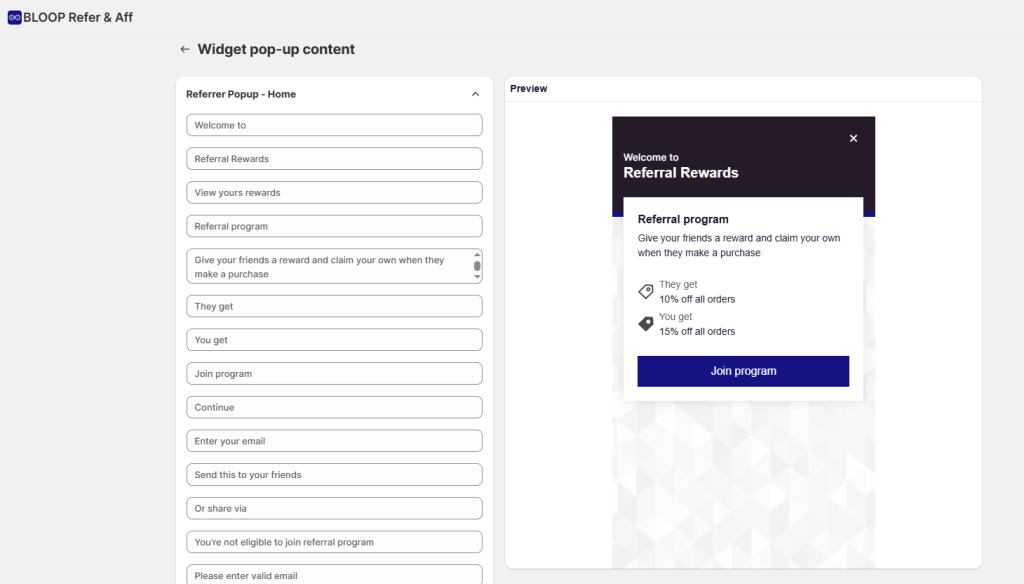
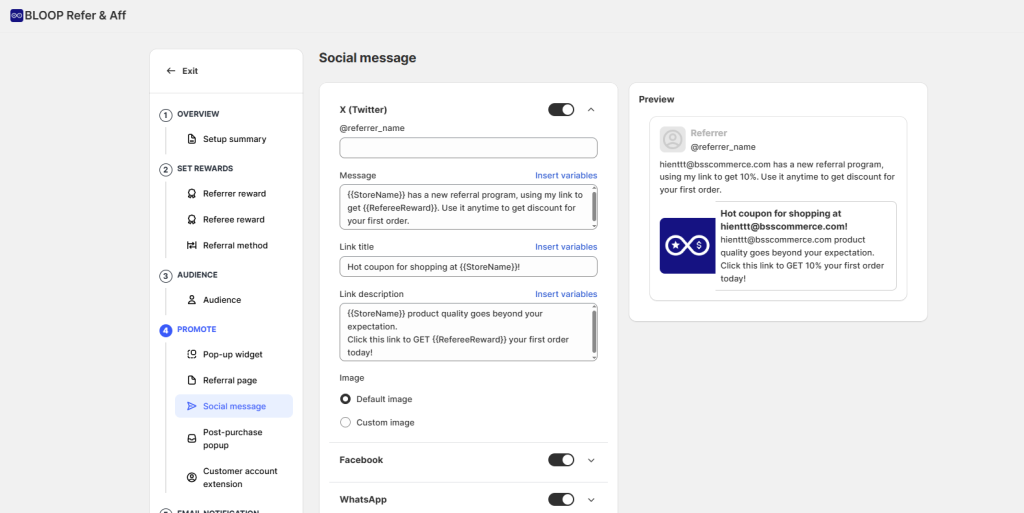
Customize your referral button copy, colors, and placement to match your brand while maximizing visibility. High-performing placements include post-purchase thank-you pages, account dashboards, and email footers where engaged customers naturally spend time. The share widget offers multiple sharing options—email, SMS, WhatsApp, Facebook, and Twitter—since different audiences prefer different channels.
Pre-populate sharing messages with compelling copy that explains the value proposition clearly, like “I love [Brand]! Use my link to get $15 off your first order.” Customers are far more likely to share when they don’t have to write their own message from scratch. Test different button copy—”Share & Earn” often outperforms generic “Refer a Friend” by 15-20%.
>> See more: Top 7 Referral Widgets for Shopify That Actually Drive Conversions
Step 4: Launch and promote across channels
Announce your program through a dedicated email campaign to your existing customer list, highlighting the benefits and making the call-to-action prominent. Add referral prompts to your website header or footer, include mentions in your order confirmation emails, and create social media posts explaining how the program works. The first two weeks after launch are critical for building momentum—overcommunicate rather than assuming customers will discover it organically.
Consider soft-launching to your VIP or most engaged customers first to gather feedback and create early success stories you can showcase. Their participation builds social proof that motivates broader adoption when you roll out to your full customer base. Monitor participation rates and reward redemption closely in the first month to identify and fix any friction points quickly.
>> Don’t skip: How To Promote a Referral Program For Your Shopify Stores? (15+ Free & Paid Tactics That Work)
Get started with Bloop’s free trial and launch your refer-a-friend program in under 15 minutes with zero coding required.
Level up your growth engine with Bloop’s free trial
Building a refer-a-friend program that actually drives growth doesn’t require expensive agencies or complex technical setup anymore. Bloop gives you everything in one affordable dashboard that takes minutes to configure:
- Customizable rewards: Choose from discounts, store credits, tiered incentives, or hybrid structures that match your brand
- Fraud prevention: Automated detection flags suspicious activity like self-referrals or coordinated abuse attempts
- Seamless Shopify integration: Works with all Shopify plans and syncs directly with your existing discount system
- Automated tracking: Real-time dashboards show referral performance, conversion rates, and ROI without manual spreadsheets
Over 2,000 merchants trust Bloop to turn their customers into advocates, with some seeing referrals account for 15-25% of new customer acquisition within three months. The platform handles the technical complexity while you focus on choosing rewards that resonate with your audience and promoting the program effectively.
Start your free trial on the Shopify App Store and see why Bloop has earned 200+ five-star ratings from merchants who’ve transformed their word-of-mouth into a predictable growth channel. No credit card required, no technical skills needed—just smart growth through the power of customer recommendations.
FAQs about Shopify refer-a-friend programs
Which incentives boost repeat purchases the most?
Store credit and points-based rewards encourage customers to return and spend their earned benefits, creating stronger retention than one-time cash rewards. The key is making credits easy to use with no expiration dates or minimum purchase requirements that create friction. Customers who earn store credit typically return within 30-45 days and spend 30-50% more than the credit value, making this structure profitable even with generous reward amounts.
How much budget can I allocate to referral rewards?
Most successful programs allocate between 5-15% of customer acquisition budget to referral rewards, adjusting based on average order value and profit margins. If you’re currently spending $30 to acquire a customer through ads, offering $15 in combined rewards ($7.50 to referrer, $7.50 to friend) makes financial sense since referred customers often have higher lifetime value. Start conservatively and increase reward amounts if participation is lower than expected.
Can I run a refer-a-friend program on Shopify Basic?
Yes, referral apps like Bloop work with all Shopify plans and integrate seamlessly without requiring plan upgrades or technical modifications. The app handles all the tracking, reward fulfillment, and fraud prevention through Shopify’s native discount code system, so there’s no additional infrastructure needed. Even merchants on the Basic plan can run sophisticated referral programs that rival what enterprise brands offer.
How do taxes work on cash or gift card rewards?
Cash rewards may require tax reporting for recipients if they exceed $600 annually, while store credits and discounts typically don’t trigger tax obligations, making them simpler to manage. Most Shopify merchants avoid this complexity by offering store credit rather than cash, which is treated as a promotional discount rather than income. Consult with a tax professional for your specific situation, but promotional discounts and store credits generally create fewer administrative headaches than cash payouts.
What participation rate is considered healthy?
Active referral programs typically see 2-5% of customers making referrals, with successful programs achieving higher rates through consistent promotion and attractive rewards. If you have 1,000 customers and 30-50 are actively referring, you’re in the healthy range. The conversion rate of referred friends matters more than raw participation—10 referrers who each convert 3 friends create more value than 50 referrers who each convert 0.5 friends on average.

Hien Tran
Hien Tran is a Product Marketing specialist at Bloop, where she translates product features into growth-driven solutions for Shopify merchants. By combining market insights with clear messaging, Hien ensures that store owners not only understand Bloop’s value but also know how to apply it to boost revenue, loyalty, and customer acquisition.